
PROJECT GUIDES
Outdoor Wooden Bench Plans
Choose a comfortable layout, weather-ready materials, and the right plan for a DIY garden bench.
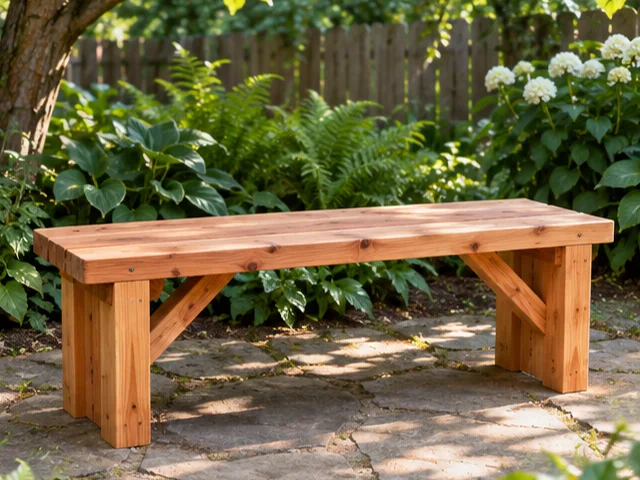
A good outdoor bench starts with three decisions: where it will sit, who will use it, and how much weather it will see. A straight, backless garden bench keeps the design simple, while a backed seat calls for more attention to comfort and joinery. Use this guide to evaluate a plan before you buy lumber.
Choose a footprint that fits
Measure the space with doors and gates open. Tape the proposed outline on the ground and leave enough room to walk past a seated person. Compare seat height and depth with a chair you already find comfortable. If you want a backrest or armrests, mock up those positions before choosing a design.
Specify a bench for its exposure
Look for naturally durable outdoor stock or lumber treated for the intended exposure. Choose exterior fasteners compatible with the wood treatment and local conditions. A slatted seat can help shed rain, but follow the plan's spacing and support details. Keep end grain and feet away from standing water where the placement allows.
Check the plan before cutting
A usable plan shows how the legs, seat supports, and bracing connect. Confirm intended seating load and fastener details with the plan provider. Identify mirrored parts, mark reference faces, and make a trial joint with offcuts. A photograph tells you what the bench looks like. The joint drawings tell you how it holds together.
Build, inspect, and maintain
Use a stable work surface and follow your tools' manuals. Dry-fit the base, check for racking or rocking, and resolve any unexpected movement before proceeding. Finish exposed surfaces as directed by the coating maker. After the first wet season, check the feet, joints, and fasteners before returning the bench to regular use.
Common questions
Can I use construction lumber outdoors?
Only when its intended exposure, finish, hardware, and maintenance suit the design. Check the lumber label and plan requirements at the supplier.
Is a backless bench easier to plan?
Often. It has fewer assemblies to fit, but still needs reliable resistance to side-to-side movement.